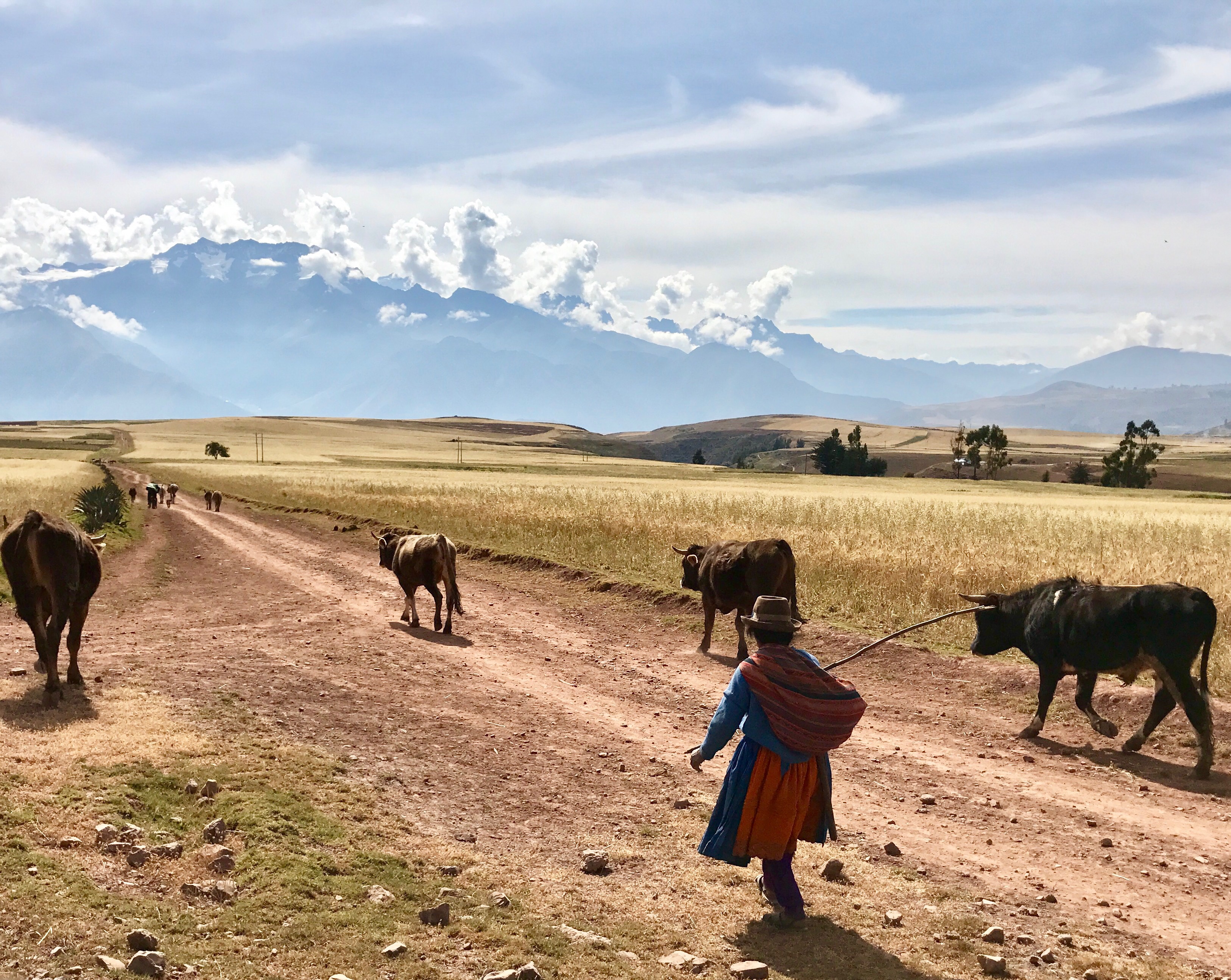
Willington and our driver picked us up early and Tim was looking forward to going downhill. But first we had to go even higher out of Cusco, passing the suburban makeshift houses perched perilously on the mountainside, then out into to the countryside with the imperious glacier topped mountains looking down on us as we headed towards them. Rough country roads, villagers working the fields by hand, and the occasional brass band appearing out of nowhere with a decorated donkey. Obviously. It’s Monday morning so why wouldn’t you dress up your donkey and bring it out with a fanfare?
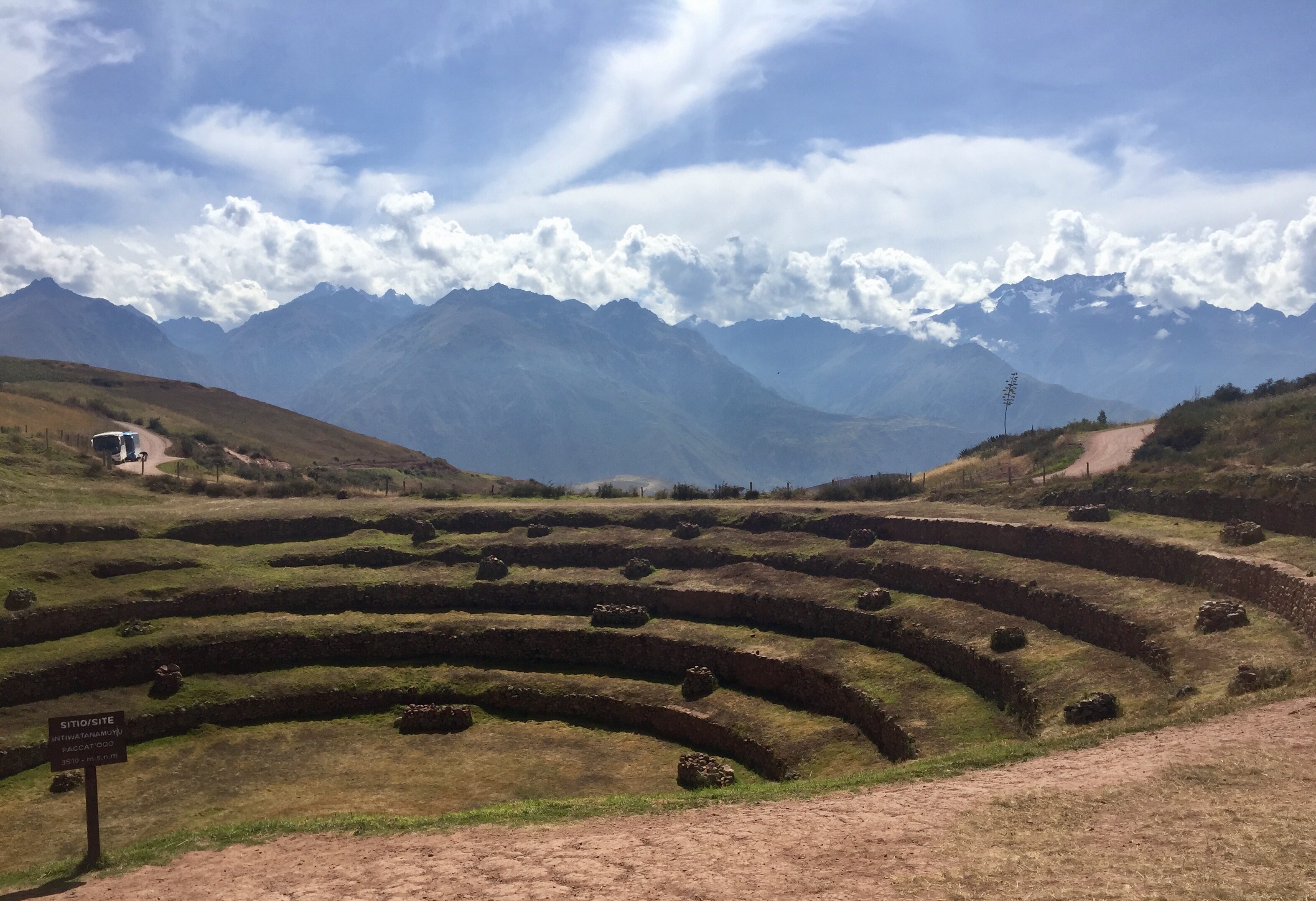
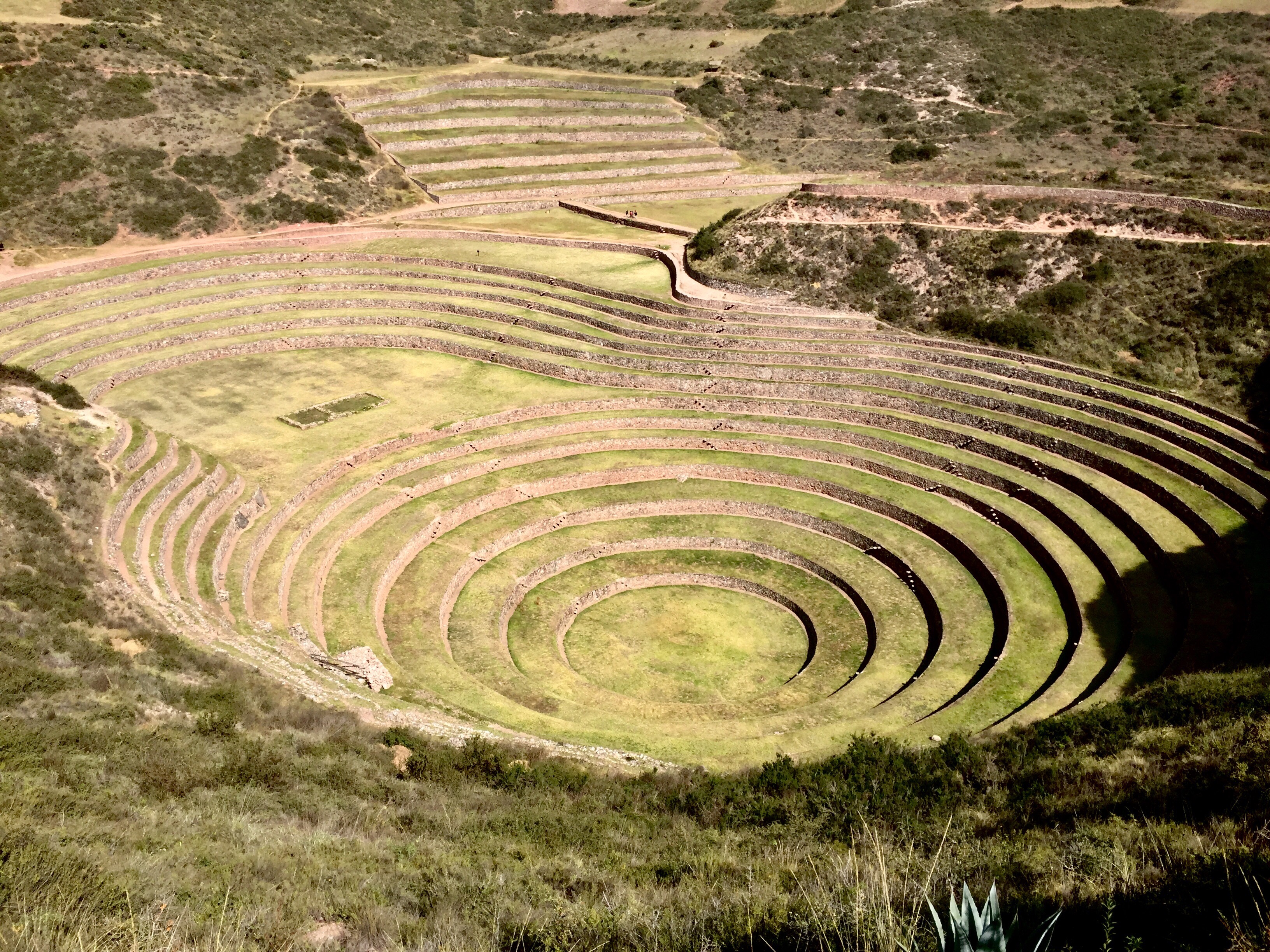
We eventually reached Moray, where the Incas built an ingenious system of terraces in order to modify their seed crops in different altitudes. So they moved the potatoes, which grow best at altitude, down each season, and the corn, which is better lower down, was moved up. An early form of genetic manipulation. And of course, being the Incas, they did it in style.
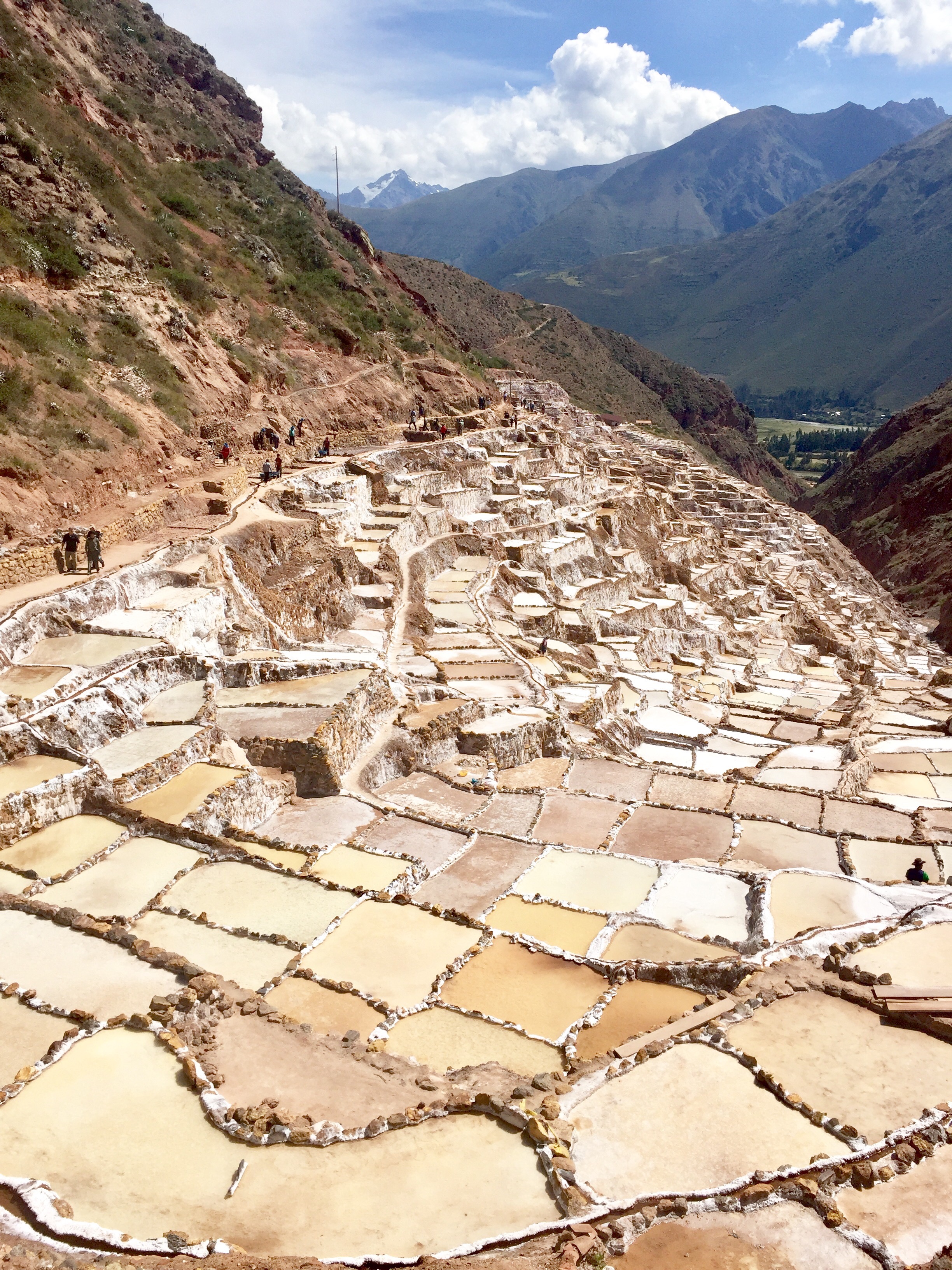
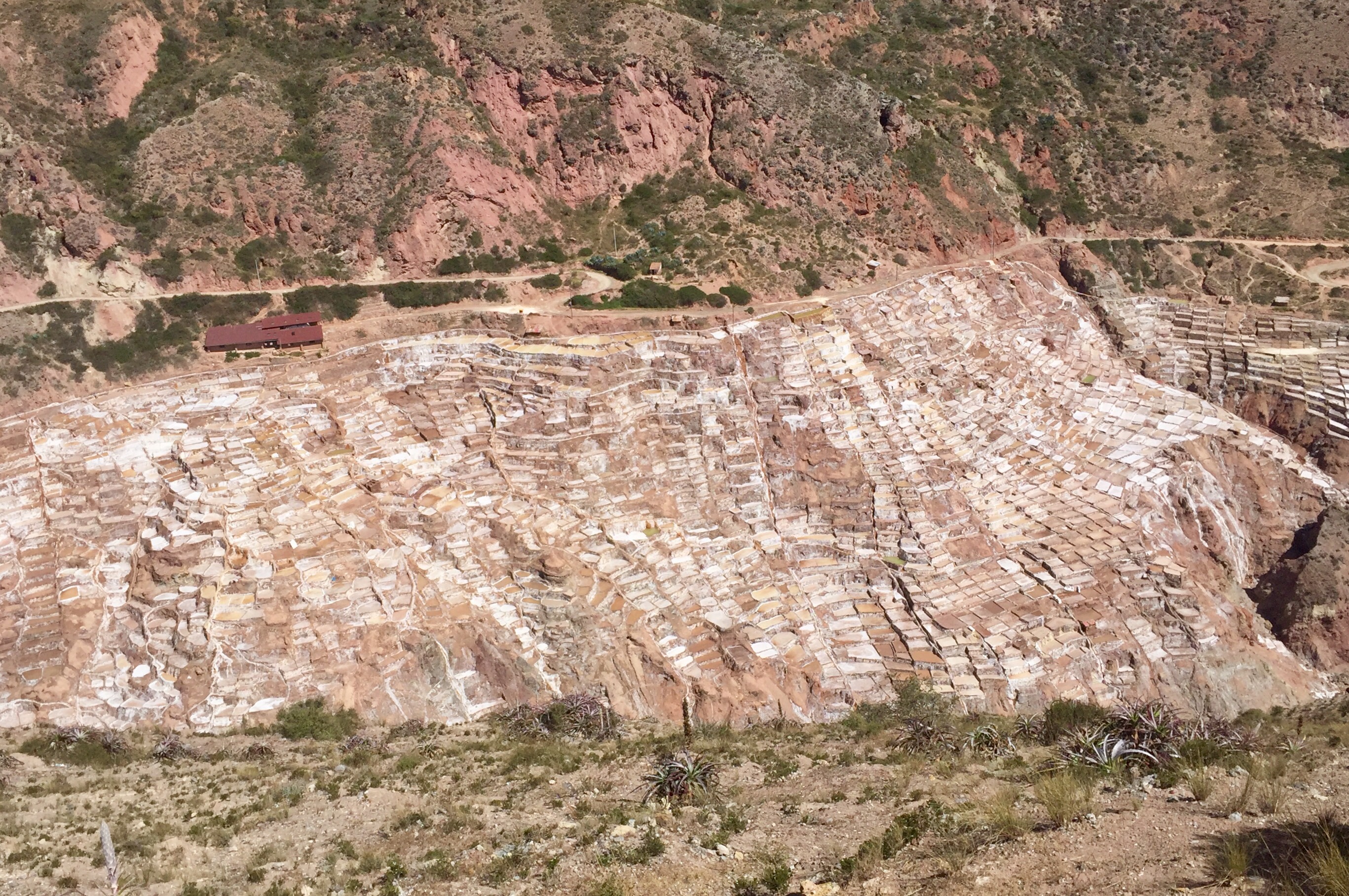
Then to the Salineras at Maras. A system of shallow pools fed by a salty mountain spring. The Incas realised they could produce salt by evaporation and the pools are still producing that very trendy pink salt today.

From here we could see the Sacred Valley, our next stop.
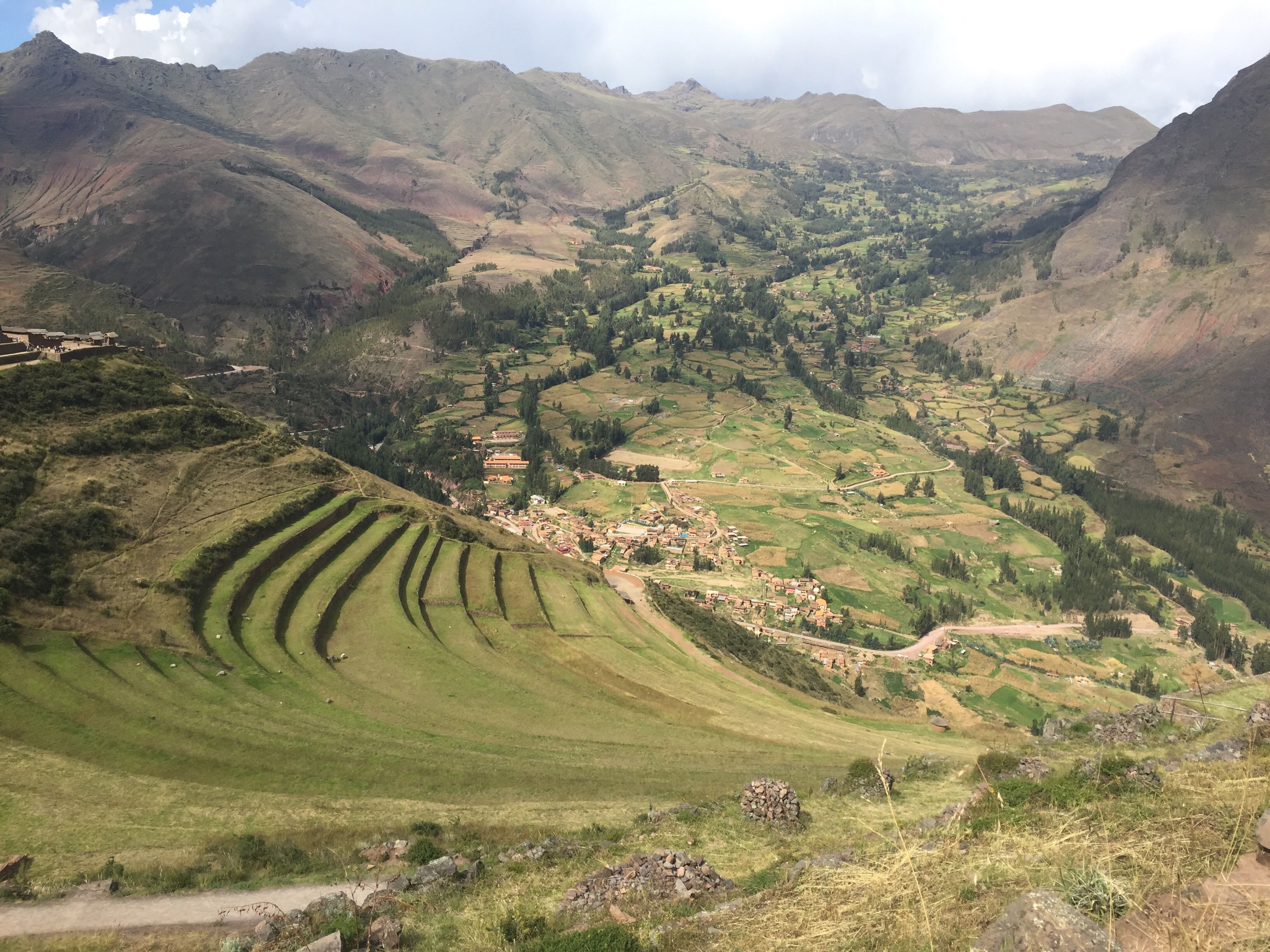
Down we went, but then up again, now to Pisac. More terracing and Inca remains and the most wonderful mountain views.
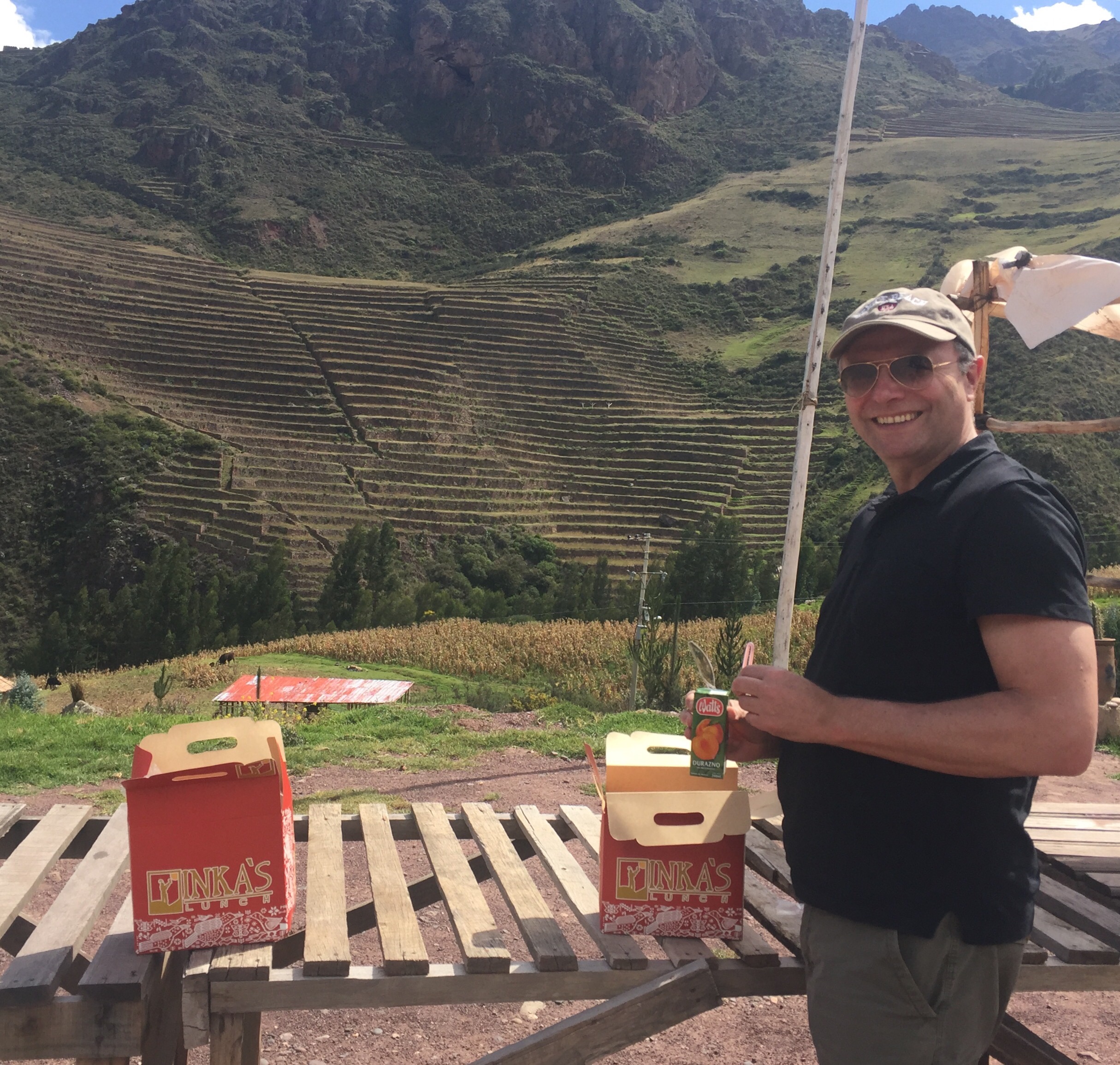
Inka packed lunch!
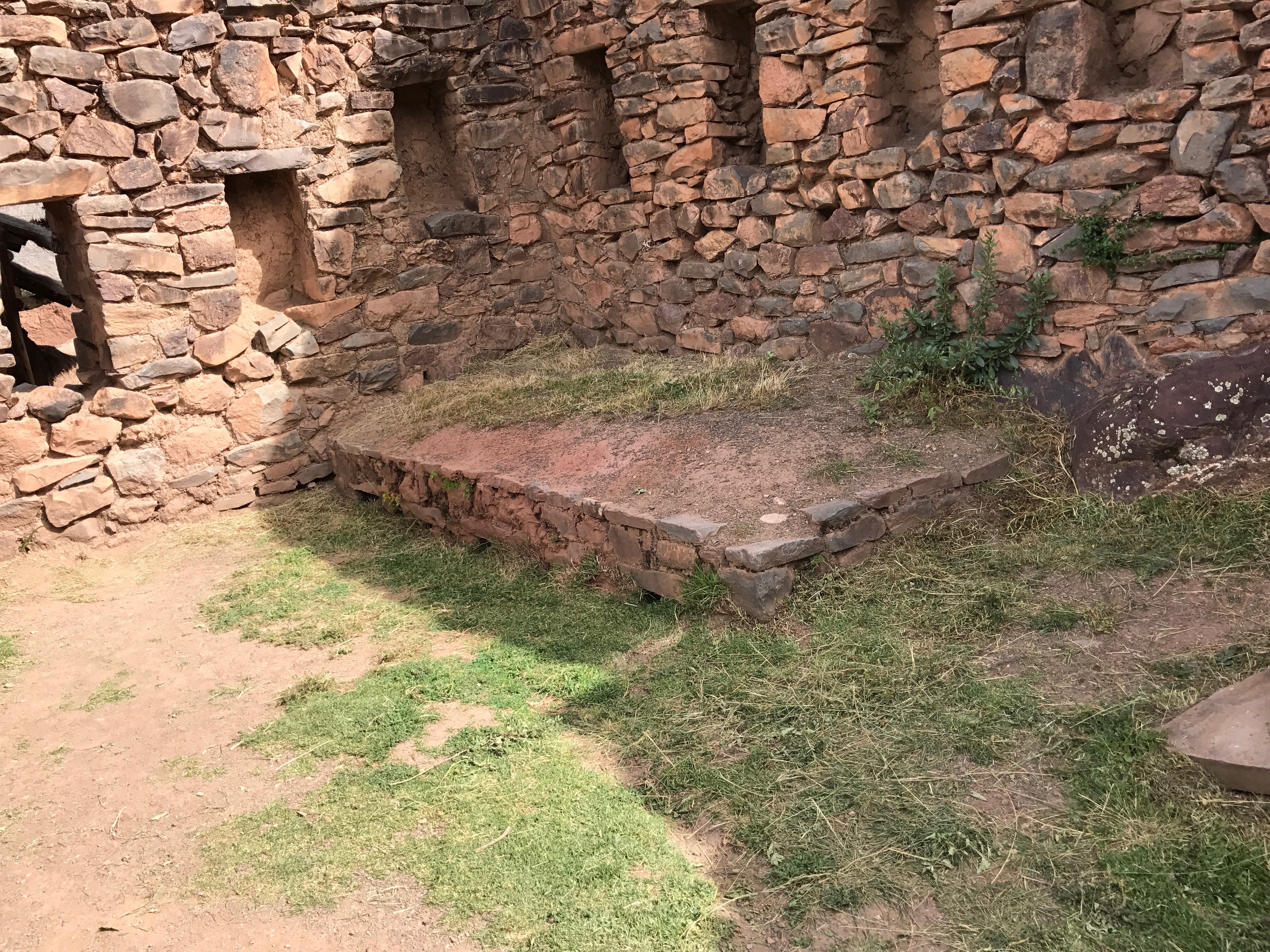
A guinea pig house within a dwelling. They weren’t pets and still aren’t. They run around the home in the way chickens might in a farmhouse.
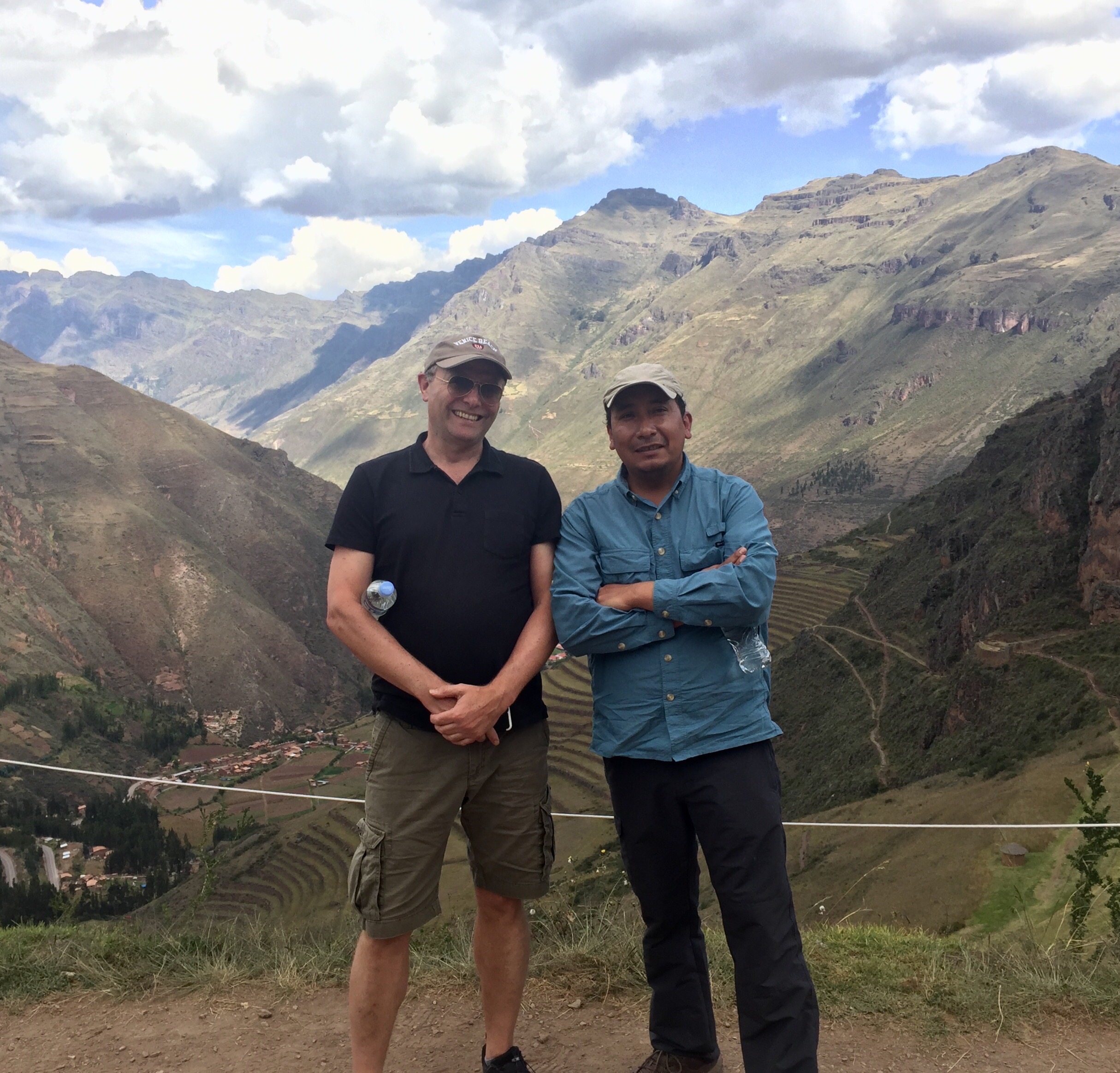
Tim and Willington.
Looking at the cliffs opposite the settlement you can see thousands of small holes. This is where they put the mummified bodies of their dead. They would have been covered over with stone but when the Spanish came they looted the graves for the gold they were buried with. To add to this disgrace, locals in more recent years have been selling the mummies to tourists. Who on earth wants to buy a mummy and what would you do with it? I doubt your average Ikea display cabinet has a niche for preserved human remains. As we were talking about this Tim said , ah yes, they mummified them in the coital position. I kicked him. Willington looked perplexed. He said it again, clearly thinking we hadn’t understood. “They buried them in the coital position didn’t they?” No, I said, it was the foetal position. Quite different. Willington had given up trying to be polite and was giggling by then. Ah, the joys of having a dyslexic husband…. What in earth would those mummies look like? And they’d never have got them into those tiny holes in the cliffs. Best not go there!
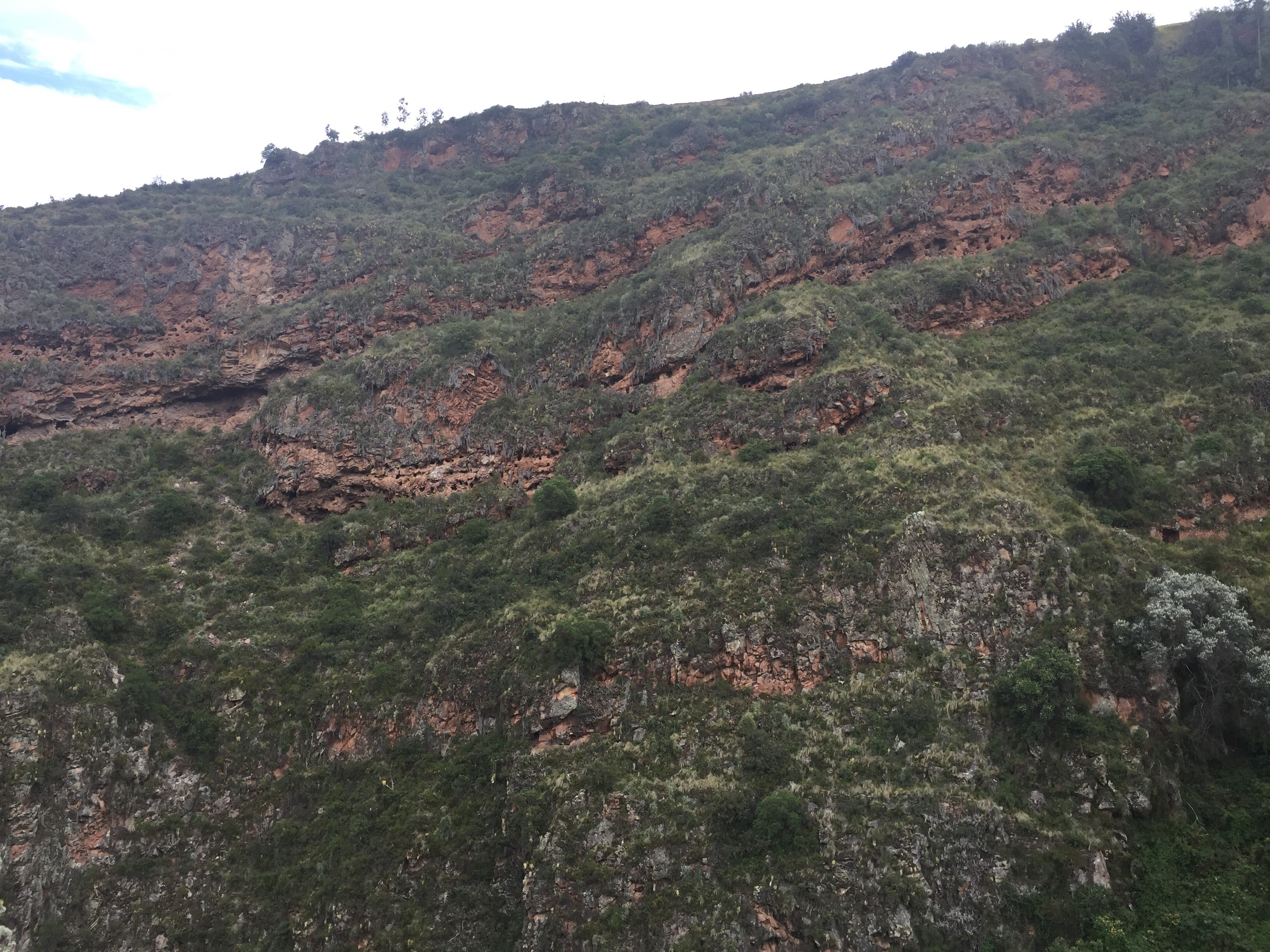
A sheer cliff with about 8000 holes dug out.
All these Inca sites keep begging the same questions. How the hell did they get those huge stones to the top of the mountain? How did they have the technology to devise such sophisticated water systems? How did they get the bodies up a vertical cliff to lay them in those holes? On and on.
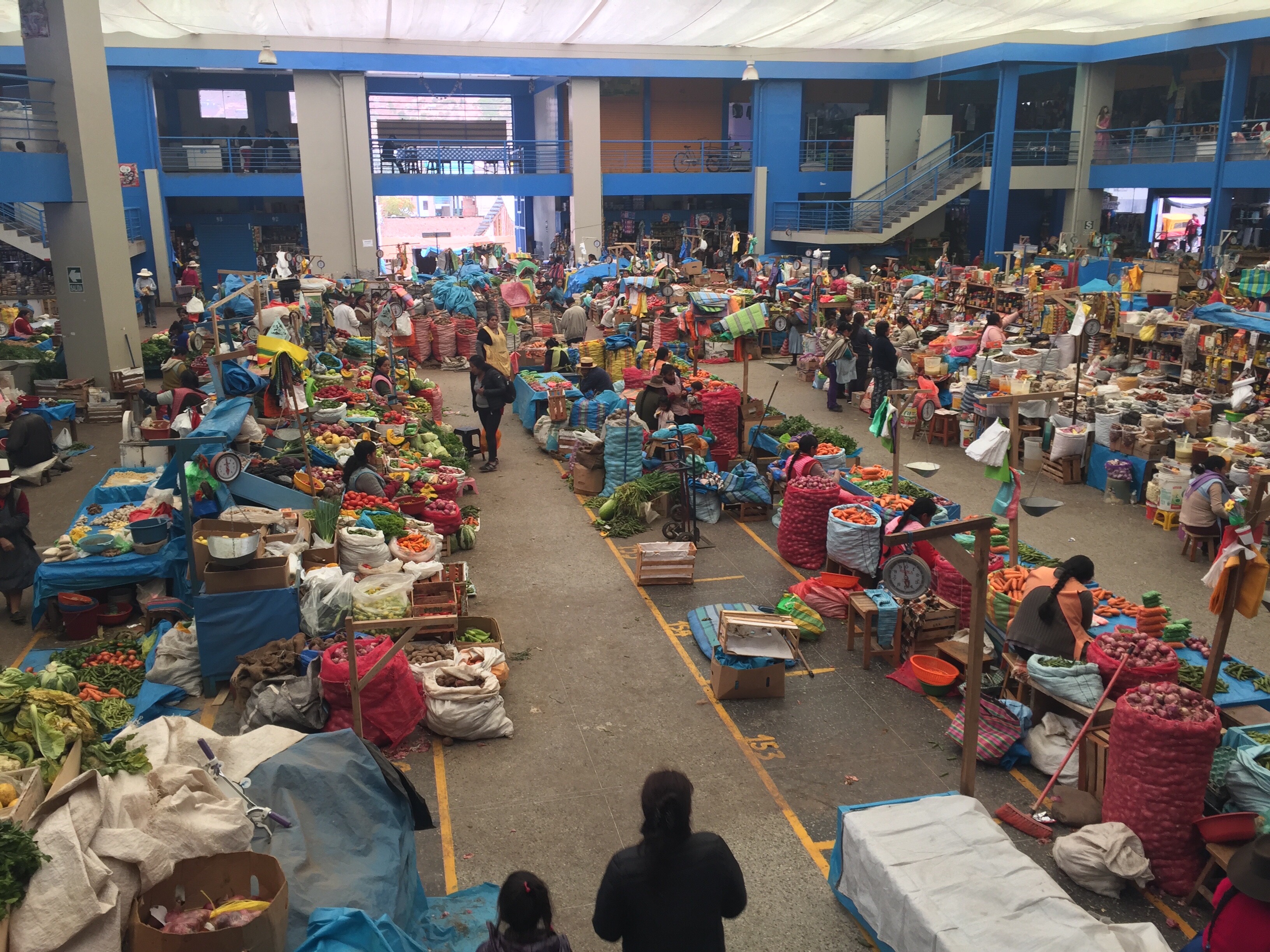
Anyway, enough of questions. We got to our latest hotel, The Tambo del Inca in Urubamba, and it was so beautiful and peaceful we collapsed into a little bubble of luxury for the evening and chose not to go far the next day. We wandered around the little town which has a nice square and local market and is mostly populated by strange tuk tuk drivers buzzing round the streets. After dinner that night we walked through the square and were greeted by a gang of teenagers practicing their dance routine for the upcoming festivities in June. I wish we could be here then. Willington says it’s a crazy time, but it sounds like a lot of fun as long as you can dodge the fireworks!

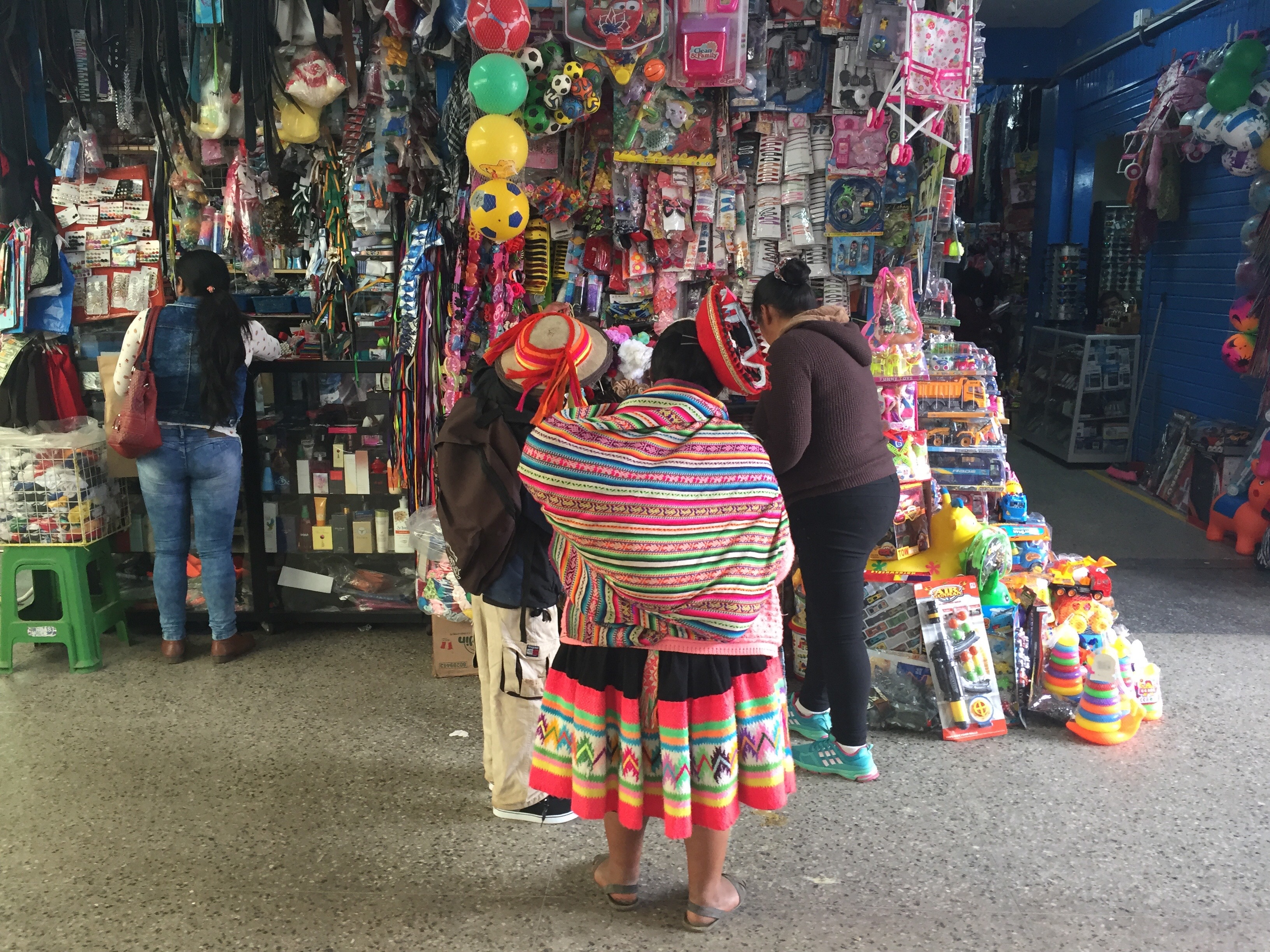
There’s a child in there somewhere!
Early bed for the main event tomorrow. Machu Picchu!
 Georgia and Tim on tour